Study
The researchers were able to conduct this research because their institute possesses the technology and expertise to record sulfur chemical reactions.
Ergothioneine contains a sulfur atom that plays a key role in the mechanism elucidated by the Germans.
Mechanism
The figures below show a simplified representation of the ergothioneine mechanism. Click on them for a larger version.
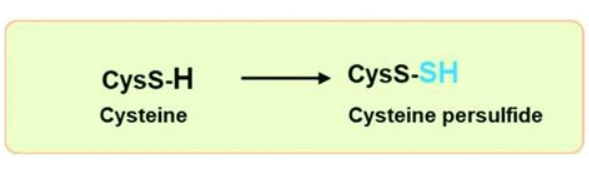
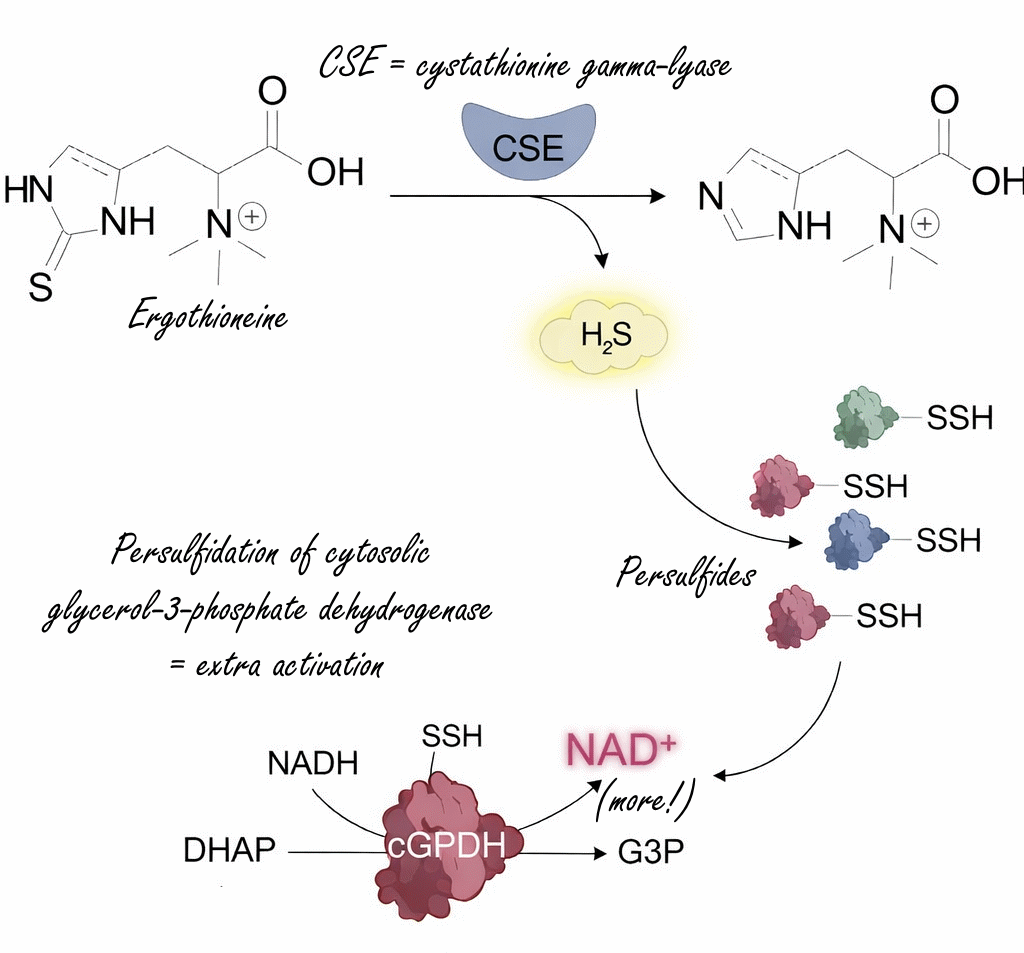
Hydrogen sulfide [H2S] can react with the cysteine units in enzymes such as cytosolic glycerol-3-phosphate dehydrogenase [cGPDH]. This reaction is called persulfidation. Persulfidation makes enzymes more active. In the case of cGPDH, this means that cells start producing more NAD+.
NAD+ is an energy molecule - or a coenzyme, as biochemists prefer to call it. It provides enzymes with energy. Because aging entails the body producing less NAD+, scientists suspect that boosting the concentration of NAD+ is a longevity strategy. [More]
Results
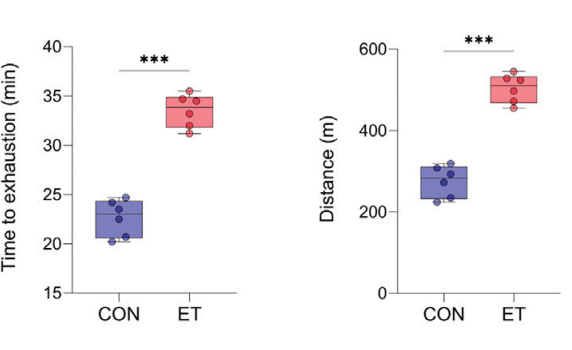
In an animal study, the Germans gave 9-month-old lab rats - if the rats had been humans, they would have been in their thirties - drinking water in which the researchers had dissolved ergothioneine for four weeks.
If the test animals had been adult humans, they would have ingested 25 to 35 milligrams of ergothioneine daily. Test animals in a control group received drinking water without ergothioneine.
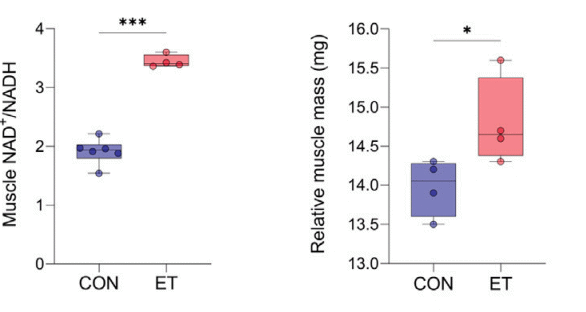
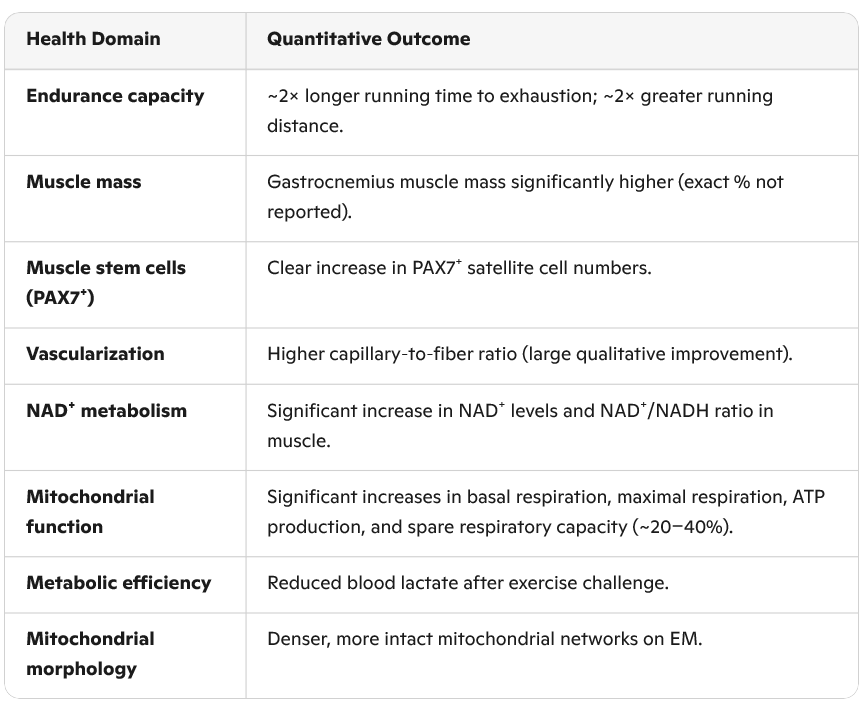
After the supplementation period, the researchers had the rats run on a treadmill until they could no longer continue. The animals in the experimental group sustained this longer and covered a greater distance than the rats in the other group. The researchers found more NAD+ in the muscles of the rats in the experimental group. Those muscles of the rats in this group were also slightly larger.
Conclusion
"Future studies may explore the therapeutic potential of ergothioneine in mitigating age-related conditions and metabolic disorders, with a focus on translational approaches aimed at harnessing its rejuvenating properties for human health."