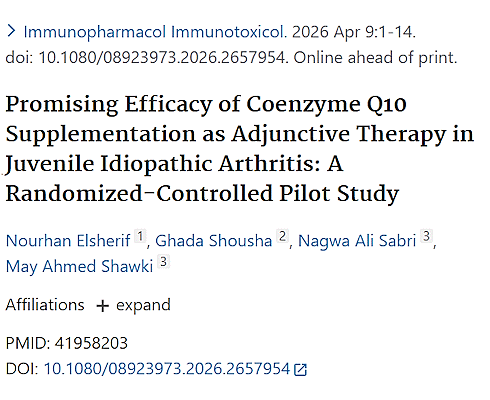
Study
JIA is an autoimmune disease in which the immune system attacks cartilage structures in the joints. JIA is the most common chronic rheumatic condition in children.
Elsherif divided the children and teenagers into two groups: an experimental group and a placebo group. The subjects in the placebo group received a placebo every day for three months in addition to their regular medication.
During this period, the subjects in the experimental group took a capsule containing 100 milligrams of Q10 daily in addition to their medication. They took the supplement after lunch.
Results
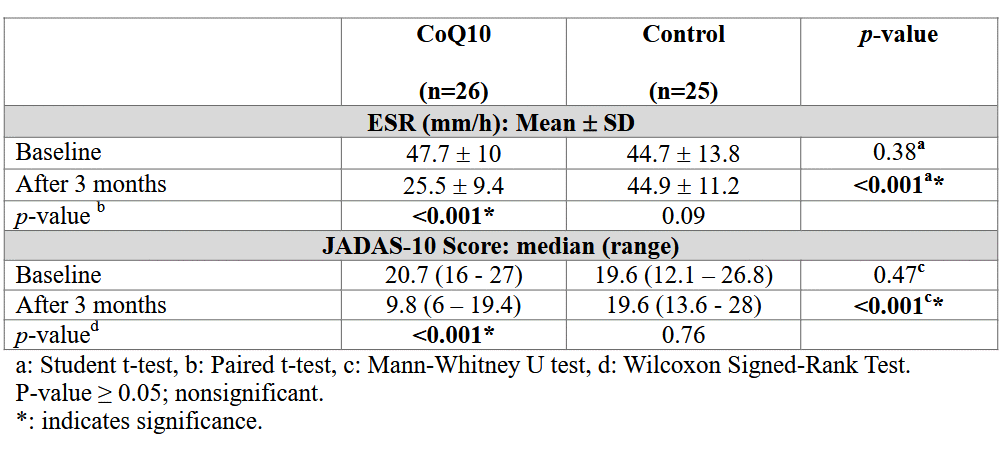
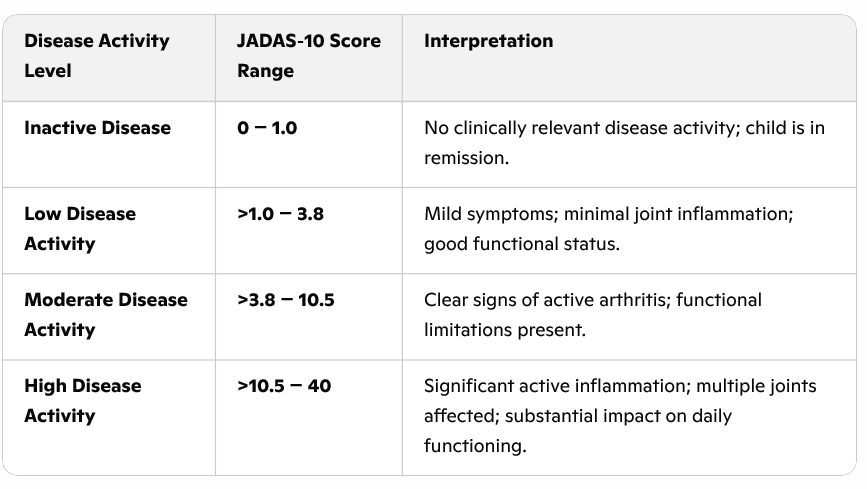
After three months, the severity of JIA in the group that had used Q10 had decreased by more than half. The JADAS-10 score among the Q10 users dropped by 53 percent. In this case, disease activity changed from a 'high' level to a 'moderate' level.
For the subjects, this meant that the risk of joint damage decreased, joint pain and inflammation diminished, quality of life improved, and rheumatologists were more successful in controlling the disease.
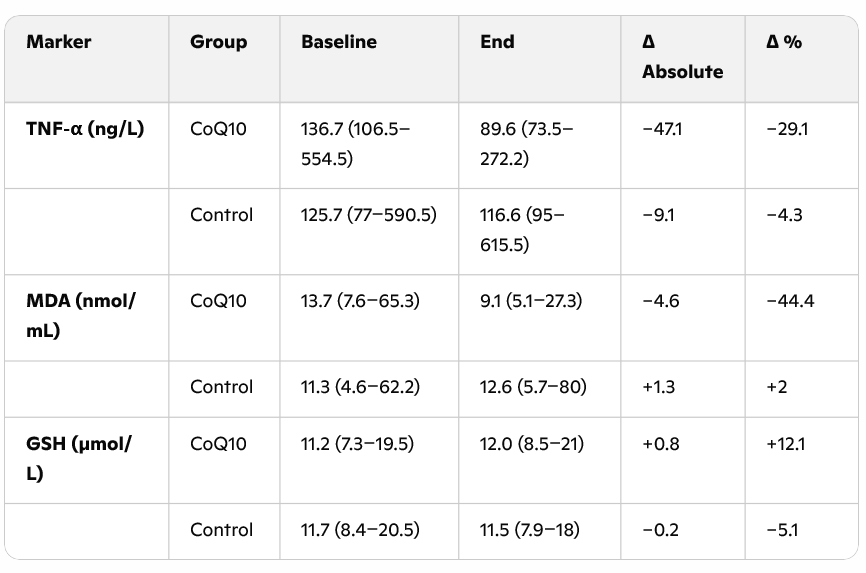
Click on the tables below for a larger version.
Mechanism
The researchers observed that the activity of the inflammatory factor TNF-alpha decreased in the Q10 group. The same occurred with the concentration of MDA. A decrease in MDA indicates that the activity of aggressive molecules diminished.
At the same time, the concentration of the endogenous antioxidant glutathione increased in the bodies of the Q10 users.
Conclusion
"The findings of this exploratory pilot study provide preliminary evidence that Q10 supplementation might be a safe and promising adjuvant therapy for juvenile idiopathic arthritis, helping to improve clinical outcomes and quality of life, while regulating inflammation and oxidative stress," the researchers summarize.
"Further evaluation to support these findings are needed."