Study
A placebo group received a placebo daily for six weeks.
A first experimental group received 20 grams of inulin in powder form daily for six weeks. The subjects mixed the powder into a liquid or pudding.
A second experimental group performed knee exercises daily for six weeks. The exercise program was designed by physiotherapists.
A combination group - the third experimental group - combined inulin with physiotherapy.
Results
The researchers examined knee strength and function. They found various statistically significant effects, but these were not particularly clinically relevant.
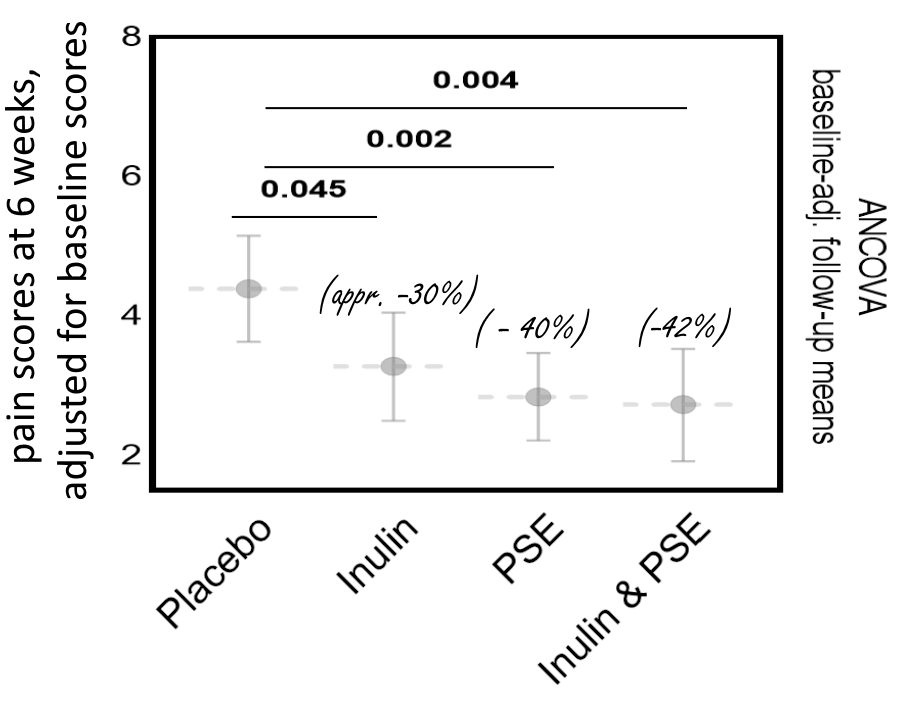
The researchers also looked at the knee pain reported by the participants. Supplementation had a statistically significant effect on this pain as well—and that effect was also clinically significant.
All three interventions reduced pain. Physiotherapy was the most effective, but the researchers leave open the possibility that inulin supplementation enhances the pain-relieving effect of physiotherapy. The study was too small to determine this.
Click on the figure below for a larger version.
Mechanism
Supplementation with inulin, with or without physical therapy, increased the concentration of the SCFA butyrate in the blood. Butyrate inhibits inflammation, reduces microglial activity, and dampens pain signals.

Conclusion
"These results provide a novel perspective on oseteoarthritis management, highlighting the potential for integrating dietary interventions alongside pharmacological treatments and promoting a more holistic approach to patient care", the researchers summarize.