ergo-log.com

Definition: "An ergogenic aid is any substance or phenomenon that enhances performance "

about us

/

contact

/

Ergo-Log


A daily cup of marjoram tea reduces Parkinson's symptoms

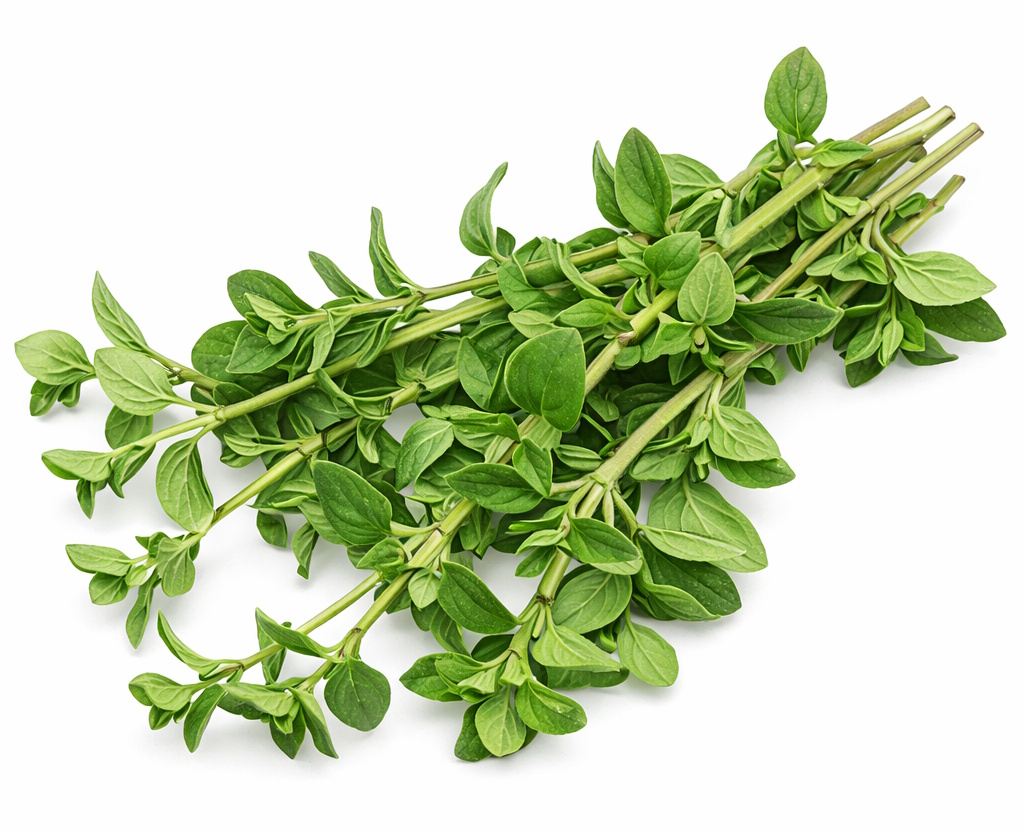
Marjoram tea - scientific name: Origanum majorana - reduces the symptoms of Parkinson's disease by an impressive forty percent. This is shown in a human study published in 2021 in Parkinsonism and Related Disorders.


A daily cup of marjoram tea reduces Parkinson's symptoms


Study
Tunisian researchers affiliated with the University of Sousse conducted experiments with 51 people who had been diagnosed with Parkinson's disease by doctors approximately five years earlier. The subjects' symptoms of the disease were still mild. They received standard medication and took a daily dose of L-dopa.

For 30 days, the subjects drank a 100-milliliter cup of tea every evening at nine o'clock. The subjects made their own tea.

The experimental group made tea from 5 grams of dried marjoram leaves. The subjects had been instructed to let the marjoram steep for 15 minutes. The placebo group made tea from a plant extract with an identical taste, but without the active substances found in marjoram.

Results
Just before the experiment began and on the final day, the researchers determined the severity of the disease symptoms using standardized questionnaires.

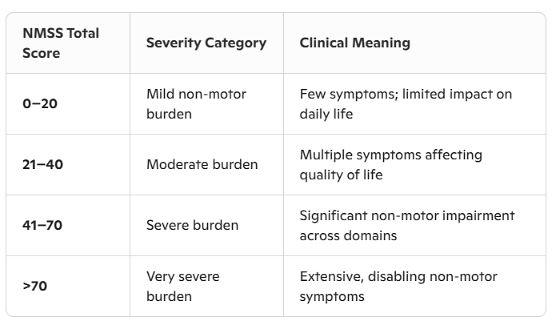
One of these questionnaires concerned the motor symptoms of Parkinson's, such as slow movements and stiffness of the limbs. No results were obtained from this. Another questionnaire related to non-motor symptoms. This was the Non-Motor Symptoms Scale for Parkinson's Disease [NMSS]. The NMSS measures nine groups of symptoms. The Tunisian study reports that marjoram tea reduced the severity of five groups of symptoms.

People with Parkinson's often experience sleep problems, anxiety, problems with concentration and memory, abdominal complaints, and urinary problems. In total, marjoram reduced the severity of non-motor symptoms by 43 percent. In the placebo group, nothing changed at all.

Parkinson's can also be associated with depression. However, in the experimental group, scores on the Beck Depression Inventory [BDI] decreased by an average of 41 percent. Again, nothing changed in the placebo group.

Click on the tables below for a larger version.

A daily cup of marjoram tea reduces Parkinson's symptoms


A daily cup of marjoram tea reduces Parkinson's symptoms


A daily cup of marjoram tea reduces Parkinson's symptoms


Mechanism
The researchers are sparing with speculation regarding the way in which Origanum majorana tea significantly and statistically convincingly alleviates Parkinson's disease. In a few sentences, they write that components such as carvacrol, thymol, and rosmarinic acid neutralize free radicals in the brain and thereby protect neurons against oxidative damage.

Conclusion
"The current study has demonstrated that the consumption of Origanum majorana tea [...] lead to significant improvement in non-motor and depression symptoms in patients with idiopathic Parkinson's disease," the researchers summarize.

"Furthermore, no side effects or complications related to this plant were observed."

"Our findings thus provide a new therapeutic approach for those symptoms that continue to pose a number of therapeutic challenges to neurologists."
A daily cup of marjoram tea reduces Parkinson's symptoms


More:
Tai Chi slows down the progression of Parkinson's disease 30.10.2023
Sunlight and vitamin D protect against Parkinson's disease 06.11.2016
Vitamin B6 protects against Parkinson's 13.11.2015
Paprika protects against Parkinson's 05.02.2015

Archives:
Parkinson's


Athletes less likely to develop Parkinson's Lifting weights protects against Parkinson's Creatine-Q10 combination protects brain cells and lengthens lifespan: animal study

Athletes less likely to develop Parkinson's
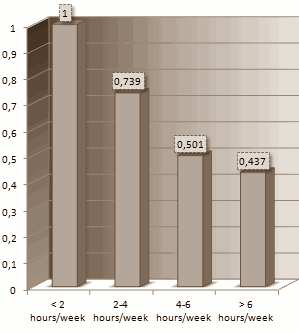
A lifestyle that includes lots of exercise - and preferably intensive exercise or exercise outdoors - offers protection against Parkinson's disease.

Lifting weights protects against Parkinson's
Fitness fanatics, power lifters and bodybuilders work out nearly every day in the gym, and during their workouts they end up lifting literally tons of weight. This heavy work is good for their brains.

Creatine-Q10 combination protects brain cells and lengthens lifespan: animal study
If you extrapolate Cornell neurologists' animal study findings to humans, creatine and Q10 extend the life expectancy of people suffering from Parkinson's and Huntington's disease - and this may work for healthy people too.